Precision Peptide orders 20,000 units of validated BPC-157 patch
The Precision Peptide Company placed a 20,000-unit order for its BPC-157 transdermal patch, citing 95.5% purity and a planned June 2026 commercial launch.
May 26, 2026 · 3 min read
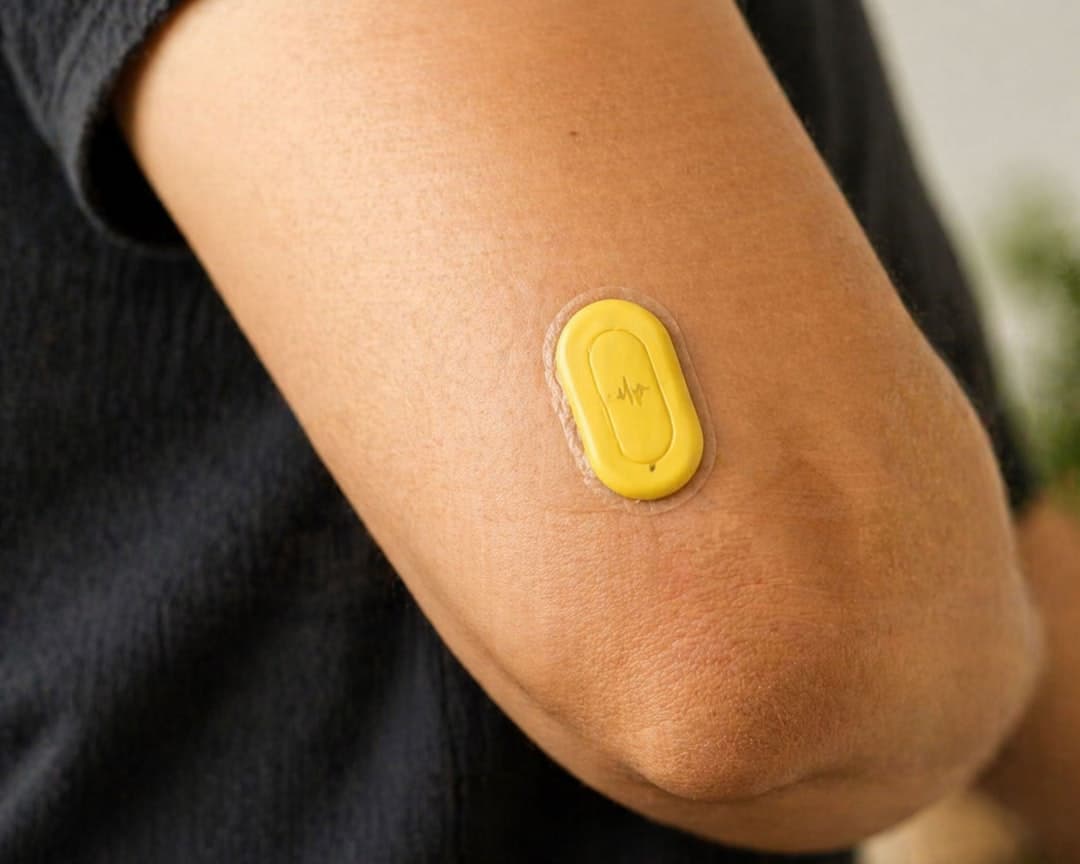
The Precision Peptide Company (CSE: BPC | OTCQB: PNGAF) announced on May 26 that it has placed an order for 20,000 units of its BPC-157 transdermal patch, moving the product from validated formulation toward commercial production. CEO Pratap Sandhu said the initial commercial release could begin as early as June 2026 through the company's website. The order follows independent third-party testing by Miraxis Labs in San Diego that confirmed 95.5% chromatographic purity and 2.02 mg of BPC-157 per patch by UHPLC-DAD.
What happened
The 20,000-unit production order is the operational follow-on to a May 19 announcement in which the company reported the Miraxis Labs verification results. Each patch is specified to deliver 2 mg of BPC-157, with the actual quantified dose (2.02 mg) coming in slightly above the label specification. The 95.5% chromatographic purity exceeds the 95% threshold the company cites as the analytical benchmark for high-purity-grade peptide products.
The announcement positions the patch as the first wearable BPC-157 product to reach commercial production, and the Precision Peptide Company has previously stated plans to build a broader multi-product peptide-patch platform. The press release does not name the manufacturing partner or provide a confirmed delivery date for the 20,000 units, only that the order supports the planned commercial release.
No FDA regulatory status, clinical trial data, or product-classification details are disclosed in the announcement.
For background on the broader patch story, see the earlier coverage at Precision Peptide nears launch of needle-free BPC-157 patch.
Why it matters
Transdermal delivery is a meaningful product category for peptides because it bypasses two of the largest friction points in current peptide use: needles and reconstitution. If a transdermal patch can deliver BPC-157 with reproducible plasma levels and consistent dosing, it widens the addressable market substantially — from the current biohacker / wellness-clinic population to mainstream consumers who would never inject.
The major caveats remain:
- Transdermal peptide delivery is hard. Most peptides, including BPC-157, don't cross intact skin easily. Whether the Precision Peptide patch produces clinically meaningful plasma levels — versus a small fraction of what subcutaneous injection delivers — depends on the formulation chemistry and skin penetration, neither of which the public announcements have detailed.
- Purity is not absorption. The 95.5% chromatographic purity confirms the molecule in the patch is BPC-157. It does not establish that the molecule actually gets through skin into circulation at therapeutic concentrations.
- No published clinical data. The company has not announced human pharmacokinetic studies, comparative bioavailability studies versus injection, or efficacy trials. The product enters the market on the strength of its formulation and a regulatory positioning that doesn't require those studies.
For the broader frame on BPC-157 evidence quality see BPC-157 research evidence and the new Croatian BPC-157 single-lab problem.
What to watch
Several things to track:
- Launch execution. June 2026 is six weeks out from this announcement. Whether the company hits that timeline, and what initial pricing and distribution look like, will be the first real signal of commercial readiness.
- Independent absorption data. If any third-party group publishes pharmacokinetic data comparing the patch to subcutaneous BPC-157 dosing, that's where the real efficacy question gets answered.
- Regulatory positioning. The patch is being marketed as a wellness product, but the underlying compound (BPC-157) is in active FDA Pharmacy Compounding Advisory Committee review (see FDA July PCAC peptide review). Whether and how those regulatory developments affect the patch's commercial path is worth tracking.
- Other transdermal peptide products. If the patch sells, expect TB-500, GHK-Cu, and combination patches from Precision Peptide and competitors. The category is small now and could grow quickly.
Sources
- The Precision Peptide Company Inc. Places Order for 20,000 BPC-157 Transdermal Patches — Globe and Mail / Newsfile, May 26, 2026
- Precision Peptide Nears Commercial Launch of Needle-Free BPC-157 Patch as Final Testing Advances — Newsfile, May 19, 2026 (background)
Sources