Precision Peptide nears launch of needle-free BPC-157 patch
Precision Peptide Company says its transdermal BPC-157 patch is near commercial launch as final testing wraps — the first wearable peptide from CSE: BPC.
May 8, 2026 · 2 min read
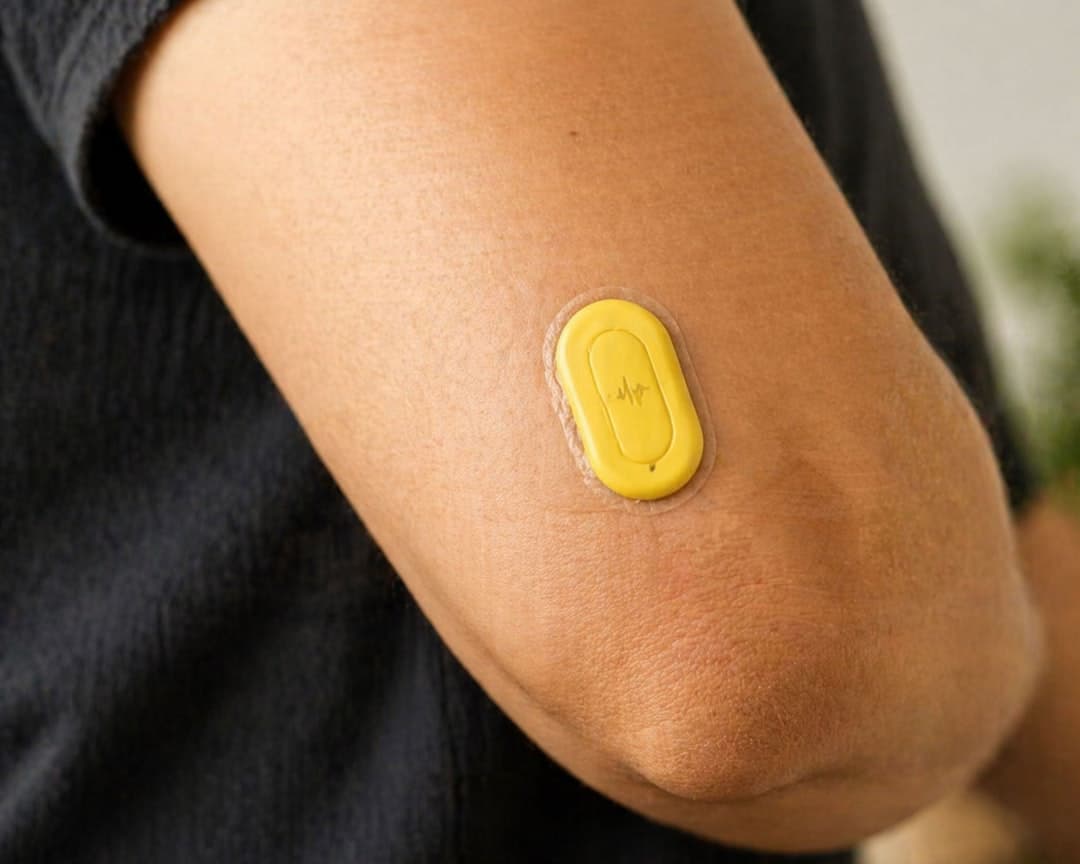
Precision Peptide Company announced on May 7 that its needle-free, transdermal BPC-157 patch is in final testing, with results expected in the near term and a commercial launch to follow if the data hold up. The patch would be the first product to reach market from the company's broader wearable-peptide pipeline, and it is being positioned as the lead asset under its Amino Innovations brand. Precision Peptide trades as CSE: BPC and OTCQB: PNGAF.
What happened
The company said the patch is engineered for controlled, sustained delivery of BPC-157 through the skin, with the explicit goal of removing the reconstitution, sterile handling, and dose-measuring steps that injectable peptides require. A second wearable — an Immune Defense Patch built around Thymosin Alpha-1 — is in earlier development behind it.
The May 7 announcement did not disclose patch dosing, expected pricing, channel strategy, or which jurisdictions the launch will target. It also did not specify which regulatory pathway the product will follow: a transdermal peptide can be sold as a cosmetic, a wellness device, or a drug depending on the claims made and the country of sale, and each carries different evidence requirements.
Why it matters
BPC-157 has no FDA-approved injectable form, and the 503A compounding pathway closed in late 2023. That left the US supply almost entirely in the research-chemical channel, with the practical compromises that come with it: variable purity, no clinical oversight, and no insurance coverage.
A transdermal patch is interesting because it sidesteps the parts of injectable use that put off most prospective users — the syringes, the bacteriostatic water, the dose math. Whether it actually works is a separate question. BPC-157 is a 15-amino-acid peptide; transdermal delivery of peptides this size is non-trivial and depends heavily on the specific formulation. Until peer-reviewed pharmacokinetic data are published, claims of "sustained delivery" should be read as engineering aspirations, not confirmed performance.
If the patch launches and gets traction, it changes the marketing landscape for BPC-157 in two ways. It pulls the conversation out of injectable-peptide niche forums and into mainstream wellness retail, and it creates competitive pressure on the research-chemical injectable market that has dominated the category.
What to watch
- Whether Precision Peptide publishes a transdermal pharmacokinetic study showing meaningful systemic exposure
- Which regulatory framework the patch ships under (cosmetic, wellness, or drug)
- Pricing — patch-format peptides at the wellness tier could undercut research-chem injectables once the recurring-cost math is done
- Whether the research-chemical injectable market responds with its own transdermal formulations
- Movement on the Thymosin Alpha-1 patch, which would extend the brand from healing/recovery into immune support
Sources
Sources