Travel logistics for peptide users
May 28, 2026 · 7 min read · By Strength Peptide Editors
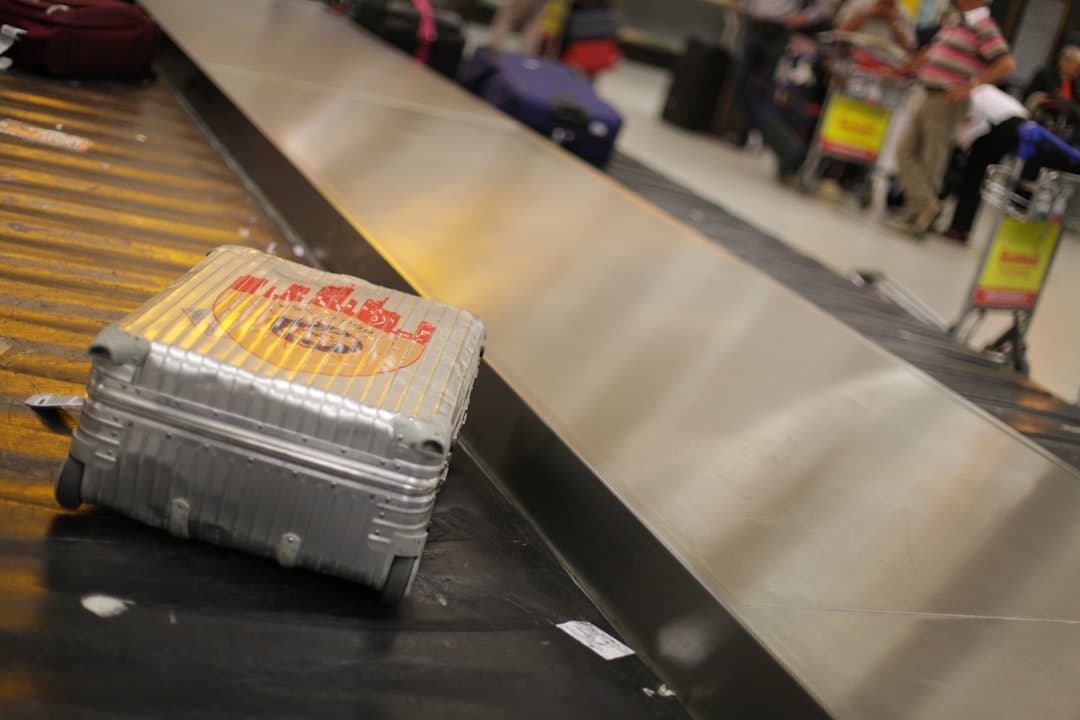
You've got a 10-day trip coming up — work conference, family vacation, whatever. You're in the middle of a peptide cycle. Stopping for the trip will pause your progress. Bringing the peptides means dealing with cold storage, airport security, customs, and the logistics of injecting consistently across time zones. Most users underestimate how much planning this requires, then improvise badly. This post is the playbook for traveling with peptides on trips up to two weeks, with the honest caveats about what works and what doesn't.
For the broader frame on storage rules see storage temperatures and do peptides ship cold?.
Decision one: bring the peptides, or pause the cycle
Before logistics, the strategic question. Pausing a peptide cycle for 1–2 weeks is usually fine — most cycles tolerate gaps without dramatic loss of progress. For some peptides it's actually the right call:
Pause is reasonable when:
- Trip is under 7 days
- You're on a short cycle (4–6 weeks total) and the gap is meaningful proportionally
- Travel involves international border crossings where peptides face customs uncertainty
- You'll have unreliable refrigeration at the destination
- You're early in the cycle (first 2 weeks) where missing time has lower impact
Bring the peptides when:
- Trip is 10+ days
- You're mid-cycle on a protocol where consistency matters (most users on stable protocols)
- You have reliable refrigeration at destination (hotel rooms with fridges, AirBnBs with kitchens)
- Border crossings are domestic or low-risk for your specific compound
For most users with US-domestic travel under 14 days, bringing peptides is reasonable with proper planning.
Cold storage during travel
This is where most users make their biggest mistakes. The rules:
Lyophilized (unmixed) peptide vials are stable at room temperature for several days. Domestic flights and hotel rooms are fine for unmixed vials. For trips under a week, you can travel with unmixed vials and reconstitute at the destination. See do I need to refrigerate unmixed peptide vials?.
Reconstituted (mixed) vials require refrigeration. Room temperature for more than a few hours degrades them. This is the central constraint of travel planning.
Three approaches:
Option 1: Travel with unmixed vials, reconstitute at destination.
- Best for trips with reliable destination refrigeration
- Bring bacteriostatic water, syringes, and lyophilized peptide as separate items
- Reconstitute on arrival; refrigerate immediately
- Cleanest approach for most situations
Option 2: Travel with reconstituted vials in insulated cold pack.
- Necessary if you can't reconstitute on arrival (overnight flights with same-day injection schedule)
- Use insulated medication travel kit with cold packs
- Decent insulated kits maintain 2–8°C for 12–24 hours
- More logistics, more failure modes
Option 3: Mail peptides ahead.
- Useful for very long trips or multiple peptide doses
- Order from vendor shipped directly to destination
- Requires coordination with destination receiving (hotel, AirBnB host, friend)
- Customs risks for international destinations
For most domestic trips, Option 1 (unmixed + reconstitute at destination) is the simplest and most reliable.
TSA and airport security
Peptides for personal use are not prohibited by TSA. The rules:
Checked baggage vs carry-on:
- Carry-on is strongly preferred. Checked baggage exposes peptides to temperature swings (cargo holds can drop below freezing or get very hot) and risks loss.
- Carry-on liquids rules apply to bacteriostatic water. Each container under 100 mL (3.4 oz); all in one quart-sized clear bag. A 30 mL bacteriostatic water vial fits easily.
- Syringes and needles are allowed in carry-on with associated medication. Bring them in original packaging.
What to bring:
- Original peptide vials (avoid repackaging — original labels help if questioned)
- Bacteriostatic water in original container
- Insulin syringes in original sleeves
- Sharps disposal container or plan
- Optional: a printed note from your physician documenting the peptides (helpful but not required for US domestic travel)
At security:
- Declare nothing unless asked
- If asked, peptides are "medication" for personal use
- TSA agents are not familiar with peptide names; expect questions
- Don't volunteer that they're "research chemicals" or "unapproved compounds" — this language invites scrutiny that doesn't benefit you
- Be calm, brief, and matter-of-fact
The vast majority of US domestic travelers with peptides in carry-on experience no questions at all. The peptides look like any other personal medical supply.
For the broader frame on legal status see legal status US and are peptides legal in the US?.
International customs
This is where the risk picture changes significantly.
Domestic travel (within the US): low-risk. TSA doesn't typically inspect personal medical supplies in detail.
International travel into the US: medium-risk. Customs has authority to inspect, question, and seize. Peptides without proper documentation may be detained. See peptides through customs.
International travel out of the US: depends entirely on destination country. Many countries have stricter rules than the US about importing unapproved drugs. Specific peptides may be controlled substances in destination countries.
Practical guidance for international travel:
- Research destination country rules in advance (search "[country] peptide import rules")
- Carry physician documentation if you have it
- Consider pausing the cycle rather than risking border detention
- For competition athletes — assume zero tolerance and don't travel internationally with anything banned-substance-coded
For competition-relevant rules see do peptides show on a blood test?.
Time zone management
A practical consideration: GH-axis peptides often work best dosed pre-bed. When you change time zones, "pre-bed" changes.
Two strategies:
Strategy 1: Maintain home time-zone dosing.
- Take peptides on your home clock regardless of destination
- Useful for short trips (1–4 days) where you won't fully adjust
- Means injection at odd local times sometimes
Strategy 2: Shift to local time.
- Adjust dosing to local pre-bed schedule from day 1
- Useful for longer trips (7+ days) where you'll fully adjust
- Means accepting one day with non-optimal dose timing
For trips less than 4 days across major time zones, maintaining home time-zone dosing is usually cleaner. For longer trips, shift to local time.
The transition itself isn't risky — a single off-timed dose doesn't break a cycle.
Specific gear recommendations
For trips longer than 3 days:
- Insulated medication travel case with reusable cold packs (FRIO, Glucology, similar)
- Spare syringes beyond what you think you need (lose syringes, contaminated syringes)
- Sharps disposal solution (small portable sharps container or plan to bring used syringes home in original sleeves)
- Alcohol prep pads (small, easy to forget)
- A copy of your peptide list with doses (in case anything happens to you medically while traveling)
A reasonable packing pattern: original peptide vials, bacteriostatic water vial, 14 syringes for a 10-day trip (more than needed, with margin), alcohol pads, insulated case for any reconstituted vials.
What to do if something goes wrong
A few scenarios:
Peptide left at room temperature too long.
- Lyophilized: probably fine for any reasonable duration
- Reconstituted: discard if at room temp for over 6–8 hours (or use immediately if you can't get more)
Lost or stolen vials.
- Most users continue cycles by buying replacement at destination from a vendor that ships fast
- For shorter remaining trip duration, pause the cycle
TSA questions extensively.
- Be honest, brief, calm
- Show original packaging
- "Personal medical use" is the phrase
- Don't lie — if anything escalates, that's how it gets worse
Customs seizure.
- Don't argue
- Don't try to recover the peptide
- Continue trip without the cycle
- Restart at home
Sick or sleep-deprived day.
- Skipping a single dose during illness or extreme jet lag is fine
- Don't double-dose to compensate
The honest framing
Most peptide users overthink travel logistics on the first trip and then underthink them on subsequent trips. The actual reality is in the middle: modest planning prevents the rare disaster, but you don't need to engineer the trip around the peptides. Bring the right gear, store things correctly, accept that occasional protocol disruption is fine, and don't let the logistics drive the trip.
For trips longer than two weeks, or international travel to high-restriction destinations, pause the cycle. The progress you'd lose is smaller than the risk of complications.
Related reading
Free weekly newsletter
Get the strength peptide highlights, weekly.
One short email a week — new guides, study readouts, supply updates, and dosing tips. Plain-English, no spam.
Unsubscribe anytime. We never share your email.