Can I use saline instead of bacteriostatic water?
Sterile saline works for single-use peptide reconstitution, but bacteriostatic water is required for multi-dose vials. Here's the practical difference.
Updated May 26, 2026 · 4 min read
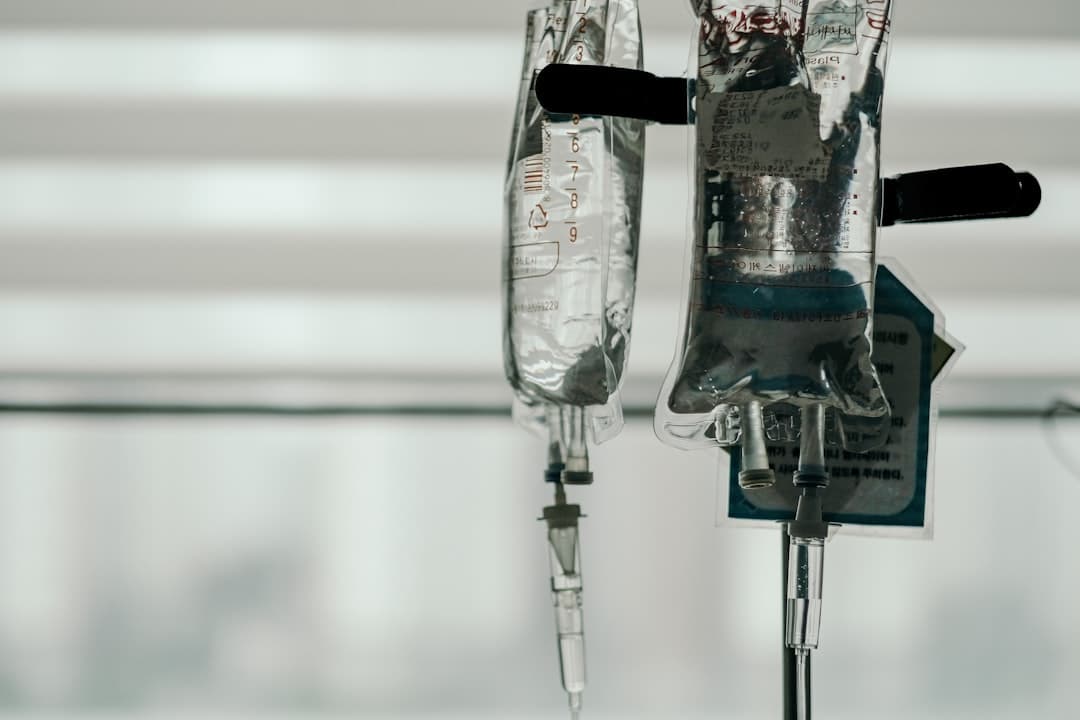
Sterile 0.9% saline (sodium chloride solution) can be used for single-use, immediate-injection reconstitution of most peptides. Bacteriostatic water (BAC water) is required for multi-dose vials that will be stored and used over days or weeks. The difference is what keeps the vial from growing bacteria between injections.
If you're reconstituting a 5 mg vial of BPC-157 that you'll inject over 25 days, use bacteriostatic water. If you're reconstituting a single 250 mcg dose to inject immediately, sterile saline will work — but you should discard whatever's left in the vial after injection.
What the difference actually is
Sterile saline (0.9% NaCl) is sterile water containing dissolved sodium chloride at physiologic concentration. It's the same solution used in IV bags, wound irrigation, and many injectable formulations. It has no preservative.
Bacteriostatic water is sterile water with 0.9% benzyl alcohol added as a preservative. The benzyl alcohol inhibits bacterial growth in the vial after the first puncture, allowing the vial to be safely re-accessed multiple times over its labeled shelf life (typically 28 days).
Sterile water (without saline or preservative) also exists. It's hypotonic and can be uncomfortable on injection, so it's less commonly used for peptide reconstitution outside of specialized contexts.
For a deeper look at the reconstitution math and choices see bacteriostatic water vs sterile water and the reconstitution math basics.
Why the preservative matters
Every time you puncture the rubber stopper on a multi-dose vial with a needle, you risk introducing microorganisms — from your skin, from the air, from the needle itself. In a preservative-free vial, those organisms can multiply between uses, potentially producing dangerous contamination by the time you inject again.
Bacteriostatic water's benzyl alcohol doesn't make the vial sterile after the puncture, but it does slow bacterial growth enough that the standard 28-day in-use shelf life is generally safe for properly handled vials.
Sterile saline has no such protection. A multi-use sterile saline vial that's been punctured repeatedly is a microbial culture waiting to happen — particularly if storage conditions aren't ideal.
When saline is acceptable
For single-use immediate injection — reconstituting just enough peptide for one dose and using all of it within minutes — sterile saline works fine. Common situations:
- Preparing one dose at a clinic or pharmacy under sterile conditions
- One-time research-context dosing where the vial won't be re-accessed
- Emergencies where bacteriostatic water isn't available and the dose can't wait
The protocol in this case: reconstitute, draw the full dose, inject, discard the vial. Do not save unused reconstituted peptide in saline for later use.
For subcutaneous tolerability (the most common peptide injection route), saline is actually slightly more comfortable than bacteriostatic water for some users, because the benzyl alcohol in BAC water can sting at the injection site. The tradeoff: comfort vs. multi-dose convenience.
When saline is not acceptable
Anywhere you're storing reconstituted peptide and re-using the vial — which is essentially every standard peptide protocol — sterile saline is the wrong choice. Multi-dose vials need preservative.
Other times to avoid saline:
- Peptides that interact poorly with sodium chloride. Most peptides don't, but a small handful (specific formulations) are stabilized differently and should use the manufacturer-recommended diluent
- Anyone with sodium-restricted medical conditions where even tiny additional sodium loads matter — rare but worth knowing for severe cardiac or renal patients
What about other diluents?
Some users ask about:
- Tap water: Never. Not sterile, contains minerals and chlorine, no preservative.
- Distilled water from a grocery store: Not sterile, no preservative. Don't use.
- Boiled and cooled water: Boiling kills most bacteria but doesn't sterilize and doesn't provide preservative. Don't use except for non-injection purposes.
- Saline nasal spray: Designed for intranasal use, may contain other additives. Don't use for injection.
The only acceptable diluents for peptide reconstitution are commercial bacteriostatic water (multi-dose) or commercial sterile saline / sterile water for injection (single-dose).
Cost difference
For practical reference:
- 30 mL vial of bacteriostatic water from a compounding pharmacy or reputable supplier: ~$5–15
- Same-volume sterile saline: similar pricing
This is not a peptide-budget consideration. Use the right one.
Allergic considerations
Some users are allergic to benzyl alcohol — uncommon but real. Symptoms include injection site reactions, hives, or systemic responses. If you've had reactions to BAC water before, switch to sterile saline for single-use protocols or look for preservative-free injectable formulations.
For the broader frame on injection-site reactions see injection site reaction look like and avoiding injection pain.
The bottom line
Use bacteriostatic water for any multi-dose vial. Use sterile saline only for single-use immediate injections. Never mix peptides with anything that isn't a commercial sterile diluent. Get this right because the consequences of getting it wrong are sometimes invisible (subclinical contamination) and sometimes very visible (injection-site infection requiring medical care).