Can I reuse insulin syringes for peptides?
No, you should not reuse insulin syringes. Needles dull within seconds of first use, increasing injection pain and tissue trauma. Single use only.
Updated May 28, 2026 · 4 min read
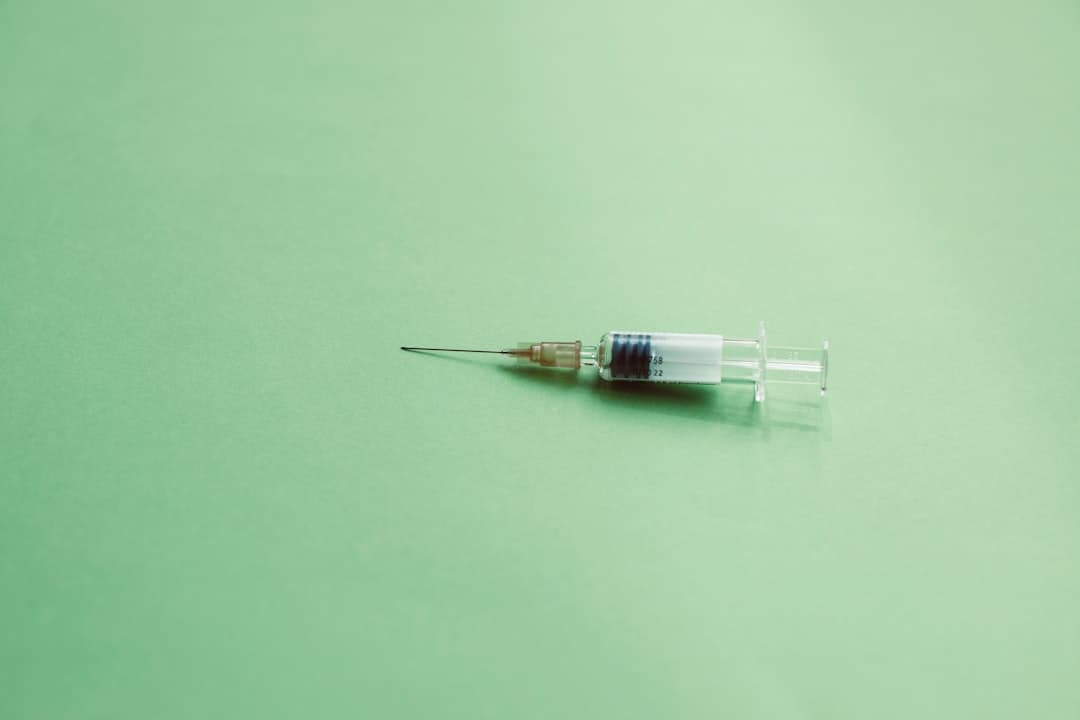
No, you should not reuse insulin syringes. Each syringe is designed for single use only. Reusing them increases injection pain, tissue trauma, bruising, infection risk, and microbial contamination of the peptide vial. Syringes are also cheap — typically $0.20–0.40 each in bulk — so the cost savings from reuse are negligible compared to the problems.
The "but diabetics sometimes reuse syringes" line that comes up on forums is real but doesn't apply cleanly here. Diabetic insulin reuse is a survival behavior under cost pressure, not a recommended practice, and it's specifically for the user's own insulin not for accessing a multi-dose peptide vial.
What happens when you reuse a needle
Three things degrade with the very first use:
The needle tip bends and dulls. Insulin needles are extraordinarily fine (31g typical). The point is designed to slice cleanly through skin once. After that first puncture, the tip microscopically bends and develops burrs. The second use produces noticeably more drag, more pain, and more tissue trauma.
The silicone lubricant coating washes off. Modern insulin syringes are coated with a thin silicone layer that helps the needle glide through skin smoothly. The coating partially wears off during the first injection. By the second use, the needle is "grippier" and produces a much worse injection experience.
The plunger seal degrades. After being depressed and contaminated with peptide solution, the rubber plunger seal can swell or develop leaks. Drawing accurately becomes harder.
For the broader frame on technique see injection technique and avoiding injection pain.
The contamination problem
Beyond the syringe degradation, reusing a syringe to access your peptide vial multiple times creates a separate problem: vial contamination.
Every time you puncture the vial stopper with a needle, some material from the needle and from your skin enters the vial. The bacteriostatic water's preservative handles incidental contamination, but repeated puncture with a syringe that's already been through skin, sat out, and been recapped substantially increases the contamination load.
Signs of contaminated vials:
- Cloudiness, particulates, or color change in the solution
- Injection site reactions (redness, warmth, increased pain) that didn't occur with earlier injections from the same vial
- Systemic symptoms (fever, chills) following injection — this is an emergency
If you suspect contamination, discard the vial. Don't try to "salvage" it.
For storage and stability frame see how long do reconstituted vials last? and storage temperatures.
What about "just one reuse" for the same injection session?
A specific case: you've drawn a dose, the injection goes wrong (vial issue, dropped syringe), and you need a second attempt within minutes. Can you reuse the syringe?
Honest answer: this is much less risky than reusing across days, but it's still suboptimal. The needle is already mildly dulled and the silicone coating is partially gone. Better to take a fresh syringe — the cost difference is trivial.
The genuine exception: if you accidentally only drew half your dose and need to draw the rest from the same vial, that's fine — you're using the same syringe for a continuous task, not "reusing" it.
Cost math
Some users justify reuse based on cost. The math doesn't actually support it:
- Insulin syringes (31g, 5/16", 0.5 mL): typically $20–40 per 100-pack
- Per syringe: $0.20–0.40
- A 12-week peptide cycle at one injection per day: 84 syringes, $17–34 total
Compared to the cost of the peptide itself ($60–200 per vial), the syringe cost is rounding error. Save somewhere else.
What about reusing the same syringe for two different vials?
This is a related question that comes up when stacking multiple peptides.
Drawing from two vials sequentially with the same syringe is fine when you're combining doses for a single injection (e.g., drawing Ipamorelin then CJC-1295 into the same syringe to inject together). This is the "mixing peptides in one syringe" pattern. See can I mix Ipamorelin and CJC-1295 in the same syringe?.
Using one syringe across separate injections, even on the same day, is not. The needle has already been through skin once.
Sharps disposal
Used syringes are biohazard waste. Don't throw them in regular trash or recycling. Options:
- Approved sharps containers — pharmacies sell them, often with prepaid mail-in disposal
- Home-made containers — heavy plastic bottle (laundry detergent bottle works) with screw lid, labeled "sharps" and "do not recycle." Many municipalities accept these at hazardous waste drop-offs.
- Hospital sharps disposal — some hospitals and clinics accept sharps from the community
Don't recap needles before disposal — the recap action is a common needlestick injury source. Use a single-handed scoop technique or skip recapping entirely and put the uncapped used syringe directly into the sharps container.
The bottom line
Single use only. Insulin syringes are designed and tested for one injection. Reusing them produces worse injection experiences, higher infection risk, and contamination potential — none of which is worth the $0.20–0.40 you'd save.