SS-31 vs MOTS-c: which mitochondrial peptide and when
SS-31 and MOTS-c both target mitochondria but in different ways. Here's the mechanism split, the evidence level, and how to choose between them.
May 26, 2026 · 6 min read · By Strength Peptide Editors
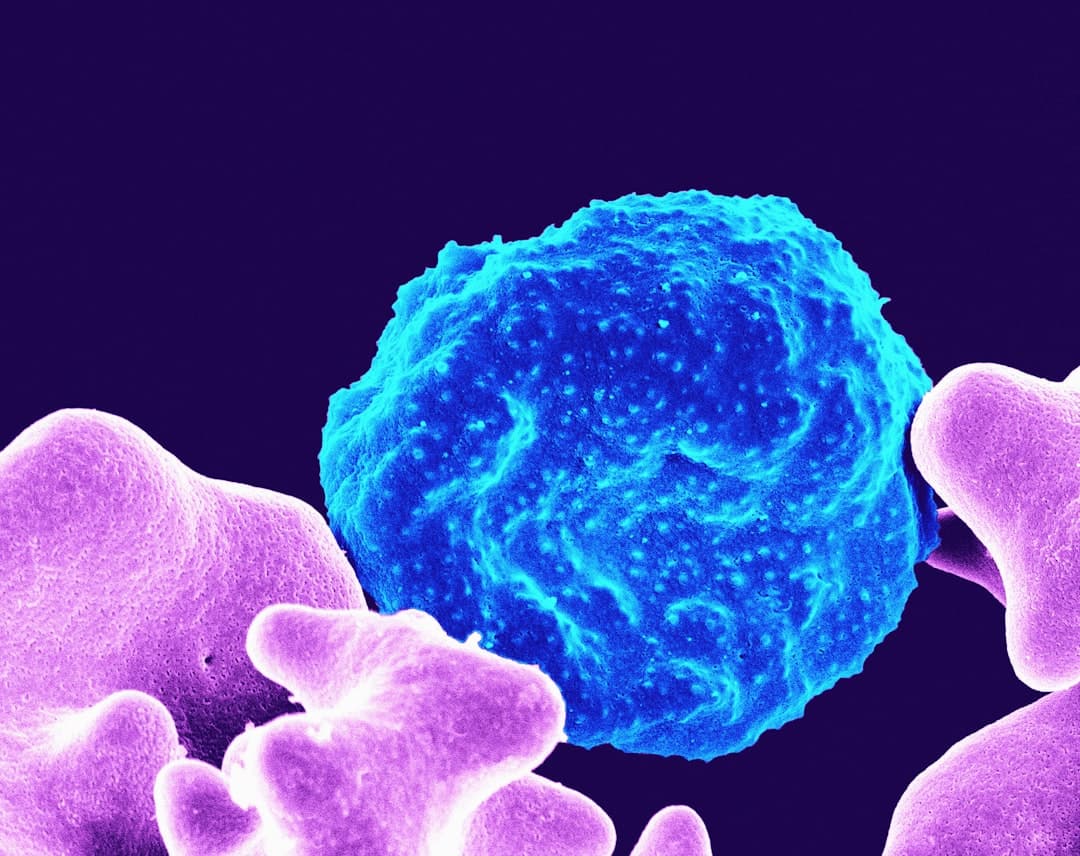
The mitochondrial-peptide shelf has gotten bigger and noisier in the last few years. Two compounds — SS-31 (Elamipretide) and MOTS-c — now dominate the longevity-focused corner of the strength-peptide community, with overlapping but distinct mechanisms and evidence bases. The question users ask most: "Which one should I use?" The honest answer is that they're not quite competitors; they do different things, and the right choice depends on what you're actually trying to fix.
This post walks through the mechanism split, the evidence on each, and a decision framework for picking one over the other.
Mechanism: a real difference, not marketing spin
SS-31 and MOTS-c both touch mitochondria, but at completely different points in the system.
SS-31 (Elamipretide) is a synthetic four-amino-acid peptide (D-Arg-Dmt-Lys-Phe-NH2) developed by Stealth BioTherapeutics. It binds selectively to cardiolipin — a phospholipid found almost exclusively in the inner mitochondrial membrane. Cardiolipin organizes the structure of the electron transport chain; when it gets oxidatively damaged (as happens with age and disease), the electron transport chain becomes inefficient and produces excess reactive oxygen species (ROS). SS-31 stabilizes cardiolipin and restores electron-transport efficiency, reducing ROS leak.
In plain terms: SS-31 makes existing mitochondria run cleaner. It is structural / protective.
MOTS-c is a sixteen-amino-acid peptide encoded inside mitochondrial DNA (12S rRNA gene) — a mitochondrial-derived peptide (MDP). Unlike SS-31, MOTS-c isn't a structural stabilizer; it's a signaling molecule that the mitochondria release to communicate with the rest of the cell. MOTS-c activates AMPK (the cell's energy-sensing kinase), promotes glucose uptake, improves insulin sensitivity, and produces effects that look pharmacologically similar to exercise — which is why MOTS-c is sometimes called an "exercise mimetic."
In plain terms: MOTS-c is a signal that tells the rest of the cell to adapt as if it just exercised. It is functional / adaptive.
For the broader frame on each peptide see MOTS-c mechanism and SS-31 / Elamipretide mitochondrial recovery.
Side-by-side
| Feature | SS-31 (Elamipretide) | MOTS-c |
|---|---|---|
| Length | 4 aa | 16 aa |
| Origin | Synthetic | Mitochondrial-derived (encoded in mtDNA) |
| Discovered | Early 2000s | 2015 |
| Mechanism | Cardiolipin binding; electron transport chain stabilization | AMPK activation; exercise-mimetic signaling |
| Acts on | Existing mitochondrial function | Mitochondria → systemic metabolic signaling |
| Primary research signal | Heart failure, mitochondrial myopathies, nephropathy | Insulin sensitivity, metabolic adaptation, longevity |
| Clinical development | Stealth BioTherapeutics — multiple Phase 2/3 trials in cardiovascular and rare-disease indications | Limited clinical work; mostly preclinical |
| Best evidence in | Heart failure, Barth syndrome, age-related macular degeneration | Metabolic syndrome, age-related insulin resistance |
| Route | Subcutaneous | Subcutaneous |
| Half-life | ~3 hours | Short (uncharacterized in detail) |
| Typical community dose | 5–10 mg subQ | 5–10 mg subQ |
| Cycle length | 4–8 weeks typical | 4–8 weeks typical |
| Stack with each other | Not commonly studied; mechanistically plausible | Same |
What the evidence actually shows
SS-31 has the more developed clinical program of the two. Stealth BioTherapeutics has run multiple Phase 2 and Phase 3 trials:
- Heart failure with preserved ejection fraction (HFpEF) — mixed results across trials; some efficacy signals but not consistent enough for approval at the doses studied
- Barth syndrome (a rare mitochondrial disease) — meaningful efficacy signals; closer to clinical approval
- Age-related macular degeneration (dry AMD) — Phase 2 work suggests benefit
- Ischemia-reperfusion injury — animal data strong, human data developing
- Mitochondrial myopathies broadly — promising signals across multiple specific diseases
The pattern: SS-31 works best when the underlying problem is damaged mitochondria that need stabilizing. It works less well as a general health enhancer in already-healthy mitochondria.
MOTS-c has a smaller but still meaningful evidence base:
- Animal exercise tolerance — MOTS-c administration improves running endurance and metabolic flexibility in rodent models
- Insulin sensitivity — improves glucose handling in insulin-resistant animal and limited human contexts
- Age-related decline — circulating MOTS-c levels drop with age; restoration shows benefit in aging animal models
- Skeletal muscle response to exercise — appears to mediate some of the adaptive response
The pattern: MOTS-c works best when the underlying problem is insufficient metabolic signaling — sedentary adaptation, age-related insulin resistance, suboptimal mitochondrial communication. It works less well as an acute protective agent.
For deeper protocol context see MOTS-c research evidence and mitochondrial health and MOTS-c longevity.
Who should choose SS-31
SS-31 is the better choice when:
- You have a known mitochondrial-stress condition — heart failure history, family history of cardiomyopathy, certain mitochondrial myopathies, post-ischemic recovery contexts
- You're recovering from acute oxidative damage — heavy training blocks producing measurable inflammation, post-illness recovery, post-overtraining recovery
- You have age-related decline targeting eye, heart, or cellular function with a structural rather than metabolic emphasis
- You're already metabolically healthy and want protection rather than adaptation
The relevant context for masters athletes: SS-31 is more interesting for cardiac and structural resilience than for endurance or hypertrophy directly. See peptides for masters powerlifters over 50.
Who should choose MOTS-c
MOTS-c is the better choice when:
- You have insulin-resistance markers — elevated fasting glucose, HOMA-IR drift, metabolic syndrome features
- You're trying to enhance training adaptation — particularly endurance-focused work where mitochondrial biogenesis matters
- You're sedentary or returning from a layoff and want to restore some of the metabolic signaling exercise normally provides
- You're stacking with GLP-1 agonists — emerging community use suggests MOTS-c may complement GLP-1 fat loss while supporting muscle metabolic health; see MOTS-c with GLP-1
For aging-specifically interventions, MOTS-c is the more established choice given its position in the AMPK / exercise-mimetic pathway.
Sourcing differences
Both peptides are research-chemical-market compounds outside Stealth's SS-31 clinical program. Differences worth knowing:
- SS-31 has more inconsistent sourcing because the molecule is unusual (contains D-amino acids and a non-natural Dmt residue). Vendors that handle this correctly can produce real material; vendors that don't may sell something other than what's claimed. Identity verification is more important than usual.
- MOTS-c is a natural sequence and easier to synthesize correctly. Sourcing variability is real but less extreme than SS-31.
For the framework on evaluating vendors see vendor due diligence checklist and reading a COA: worked example.
Side effects
Both peptides have reasonably clean profiles at typical doses:
| Side effect | SS-31 | MOTS-c |
|---|---|---|
| Injection site reaction | Occasional | Occasional |
| GI symptoms | Rare | Rare |
| Hypoglycemia | Not associated | Possible in insulin-sensitive users |
| Fatigue / sedation | Not associated | Rare |
| Long-term safety data | Better — multi-year Stealth program data | Limited |
Neither peptide has documented interactions with most common medications, though MOTS-c's metabolic effects warrant attention in users on diabetes medications.
The decision framework
A pragmatic frame: think about whether your underlying problem is too much damage or not enough signaling.
- Too much damage (oxidative stress, structural inefficiency, post-acute insults) → SS-31
- Not enough signaling (sedentary adaptation, metabolic dysregulation, insufficient mitochondrial communication) → MOTS-c
Many users want both kinds of help. Stacking them is mechanistically reasonable; the combination hasn't been formally studied. Conservative dosing of each, with careful tracking of glucose and how training feels, is the sensible approach for users who want to experiment.
The mistake to avoid: treating these as generic "mitochondrial peptides" interchangeable based on cost. They're different drugs with different targets and different evidence bases.
Related reading
Free weekly newsletter
Get the strength peptide highlights, weekly.
One short email a week — new guides, study readouts, supply updates, and dosing tips. Plain-English, no spam.
Unsubscribe anytime. We never share your email.