Semaglutide + peptide stack: protecting lean mass on GLP-1
Semaglutide drives 30–40% of weight loss from lean tissue. Here's how strength peptides — Ipamorelin, Tesamorelin, BPC-157 — can offset that loss.
May 27, 2026 · 7 min read · By Strength Peptide Editors
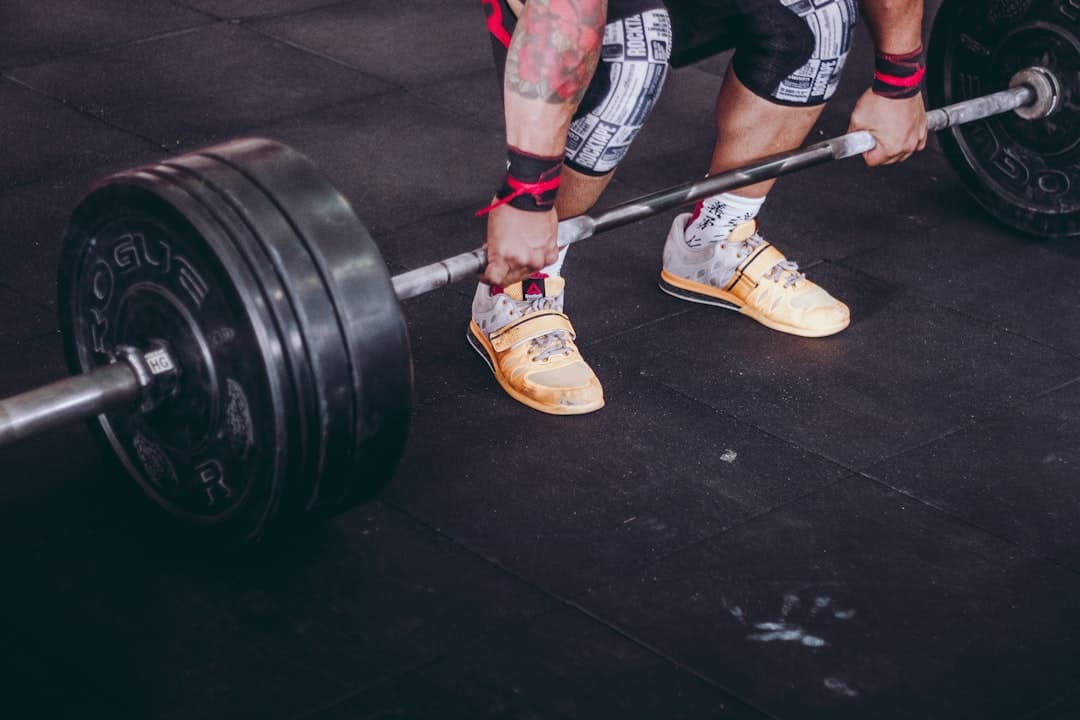
The GLP-1 wellness wave changed body-composition medicine. Semaglutide (Ozempic, Wegovy) and tirzepatide (Mounjaro, Zepbound) work better than anything that came before — and they also produce a problem the marketing tends to skip: roughly 30–40% of the weight lost on GLP-1 therapy comes from lean tissue, not fat. For someone whose goal is "smaller," that doesn't matter much. For lifters, athletes, and people trying to preserve their metabolic engine, it matters a lot.
Strength peptides can partially offset that lean-mass loss, and an emerging stack pattern combines GLP-1 therapy with specific peptides to make the body composition shift cleaner. This post walks through what the data actually shows, which peptides have a real role, and how to think about the combined protocol.
The lean-mass problem with GLP-1s
The fundamental issue: any rapid caloric deficit produces lean-mass loss. GLP-1 receptor agonists drive a sustained, often steep caloric deficit by reducing appetite, slowing gastric emptying, and changing food preferences. The result is rapid weight loss — often 1–2% of body weight per month — that's beyond what a typical motivated dieter can sustain without pharmacological help.
The composition of that weight loss matters. Across the major semaglutide and tirzepatide trials:
- Total fat-mass loss: roughly 60–70% of total weight loss
- Lean-mass loss: roughly 30–40% of total weight loss
For comparison: a well-executed dietary weight-loss program with resistance training typically loses 20–25% lean mass. The GLP-1 lean-loss percentage isn't catastrophically higher than diet-and-exercise alone, but the absolute amount of lean tissue lost is larger because total loss is larger and faster.
What does that mean in practice? A 220-lb person losing 50 lbs on semaglutide may lose 15–20 lbs of lean mass. That's enough to noticeably reduce strength, resting metabolic rate, and physical function — particularly in users who weren't very muscular to begin with.
For the broader frame on body composition and peptides see body composition, aging, and hormonal factors and insulin sensitivity in midlife with peptides.
What the peptide stack is trying to do
The "GLP-1 + peptides" approach has three goals, each addressed by a different category of peptide:
- Preserve muscle protein synthesis during the caloric deficit → GH-axis peptides (Ipamorelin, CJC-1295, Sermorelin, IGF-1 LR3)
- Maintain training capacity and recovery while undereating → BPC-157, TB-500
- Specifically target visceral fat rather than just total weight → Tesamorelin
The stack is not trying to replicate the GLP-1 effect — it's trying to bias the body composition outcome toward more fat, less lean.
Stack option 1: Ipamorelin + CJC-1295 for muscle preservation
The most-discussed combination in the GLP-1 + peptide space.
Mechanism: GH secretagogue stack produces pulsatile GH release → modest IGF-1 elevation → improved muscle protein synthesis during caloric deficit. The pulsatile pattern keeps the GH axis natural-feeling and avoids the cortisol/prolactin issues of older GHRPs.
Practical fit: Best for users who are lifting consistently during their GLP-1 course. The peptide pulse only protects lean tissue if you're giving the body a signal to keep it (resistance training).
Typical protocol:
- Ipamorelin 200 mcg + CJC-1295 no-DAC 100 mcg, subQ, pre-bed
- Continue throughout GLP-1 dosing
- 5 days on, 2 days off OR continuous depending on user preference
Caveats:
- Won't fully prevent lean loss — partially offsets, not eliminates
- Hunger blunting from GLP-1 makes protein intake harder; the stack works much better at 1.6–2.2 g/kg protein than at sub-1 g/kg
For the underlying protocol see GH stack: Ipamorelin and CJC-1295 and choosing Sermorelin, Ipamorelin, or Tesamorelin.
Stack option 2: Tesamorelin for visceral-fat-biased loss
A more targeted approach.
Mechanism: Tesamorelin is a GHRH analog that produces sustained endogenous GH elevation. The strongest evidence in GH-axis peptides is for visceral fat reduction — see the 2026 Tesamorelin meta-analysis news post for the recent data confirming a 27.71 cm² average visceral adipose tissue reduction.
Practical fit: Best for users whose visceral fat is the specific issue — central obesity, NAFLD risk, metabolic syndrome features. Less relevant for already-lean users on GLP-1 for general weight management.
Typical protocol:
- Tesamorelin 1–2 mg subQ daily, AM or PM
- Continue throughout GLP-1 course
- Monitor IGF-1 levels
Caveats:
- More expensive than Ipamorelin/CJC stack
- Mild water retention typical in first 2 weeks
- Some users feel a "heaviness" during ramp-up
Stack option 3: BPC-157 + TB-500 for training capacity
The recovery layer.
Mechanism: GLP-1 users often experience reduced training tolerance — fatigue, slow recovery, joint stiffness from rapid weight changes. BPC-157 and TB-500 support tissue repair and inflammatory balance during a stressful body-composition shift.
Practical fit: Adjunct, not primary. Most useful for users training hard during the deficit (the population most likely to benefit from muscle-preservation peptides anyway).
Typical protocol:
- BPC-157 250 mcg subQ daily
- Optional TB-500 2.5 mg subQ 2× per week
- Continue through training
For protocol detail see recovery stack: BPC-157 + TB-500.
The full stack — what experienced users actually do
A common pattern for someone in month 2+ of GLP-1 therapy with significant remaining weight to lose:
| Compound | Dose | Frequency | Role |
|---|---|---|---|
| Semaglutide | Per Rx | Weekly | Primary fat-loss driver |
| Ipamorelin + CJC-1295 | 200/100 mcg | Pre-bed daily | Lean preservation |
| BPC-157 | 250 mcg | Daily | Recovery |
| Creatine | 5g | Daily | Lean mass support (not peptide) |
| Protein | 1.8–2.2 g/kg | Daily | Lean mass substrate (not peptide) |
This isn't a recommendation — it's an observed pattern. The diet and training piece (high protein, consistent resistance training) does most of the lean-preservation work; the peptides supplement rather than replace those foundations.
What doesn't work
A few things commonly tried that don't help:
MK-677 alongside GLP-1. The hunger spike from MK-677 partially defeats the appetite suppression that's driving GLP-1's effect. Some users report this is actually useful for getting enough protein down, but for most people it's an unwelcome interaction.
IGF-1 LR3 during aggressive deficit. IGF-1 LR3's anabolic effect depends on adequate substrate (calories, protein). In a steep deficit, you're paying for the peptide without getting the full effect. Better deferred to a maintenance or surplus phase.
Stacking multiple GH secretagogues simultaneously. Pituitary capacity is finite. Running Ipamorelin + Sermorelin + GHRP-6 + Tesamorelin doesn't produce multiplicative effects — it produces receptor downregulation and diminishing returns.
Side effects and interactions
The combined stack has a manageable but real side-effect surface:
- GH-axis effects (water retention, joint aches, IGF-1 elevation) — see GH secretagogue side effects and joints ache on GH cycle
- GLP-1 GI effects (nausea, slowed gastric emptying) — peptide injection compliance can suffer if nausea is severe
- Hypoglycemia risk — GLP-1s reduce intake; GH-axis peptides modestly affect glucose. Monitor especially in the first month.
Track these:
- Fasting glucose and HbA1c every 3 months
- IGF-1 levels at baseline and 8 weeks in
- DEXA scan if you want quantitative body comp data
- Subjective energy, recovery, and training capacity
For the broader monitoring framework see baseline labs before a cycle and cardiovascular markers on peptide cycles.
Timing the stack relative to GLP-1
A practical question: do you start the peptides at the same time as semaglutide, or wait?
The mainstream answer: start peptides at the same time or shortly after starting the GLP-1. The lean-mass loss begins immediately and accelerates with each weekly GLP-1 dose increase. Delaying the peptides until "you're losing lean mass" means you're playing catch-up.
The conservative answer: start GLP-1 alone for the first 4–6 weeks (titration to therapeutic dose, manage GI side effects). Then add the Ipamorelin/CJC stack. The benefit: cleaner attribution if something goes wrong, easier compliance during GI-heavy early weeks.
Either approach is defensible. The conservative path is what we'd recommend for first-time users of either category.
The honest framing
GLP-1 + strength peptide stacks are not a miracle solution. Semaglutide will still produce lean-mass loss; the peptides reduce but don't eliminate it. The bigger drivers of body composition outcomes — protein intake, resistance training, sleep — do more work than any peptide stack.
That said, for users who are committed to lifting during a GLP-1 course and want to preserve as much lean mass as possible, the Ipamorelin/CJC + BPC-157 combination is a defensible, evidence-aligned addition. Tesamorelin makes sense if visceral fat is the specific target. Don't bother with aggressive multi-peptide stacks — they don't add up.
Related reading
Free weekly newsletter
Get the strength peptide highlights, weekly.
One short email a week — new guides, study readouts, supply updates, and dosing tips. Plain-English, no spam.
Unsubscribe anytime. We never share your email.