KPV peptide for gut and joint inflammation in lifters
KPV is the C-terminal fragment of alpha-MSH and a potent anti-inflammatory peptide. Where it fits next to BPC-157 and TB-500 for athletes — and where it does not.
May 8, 2026 · 7 min read · By Strength Peptide Editors
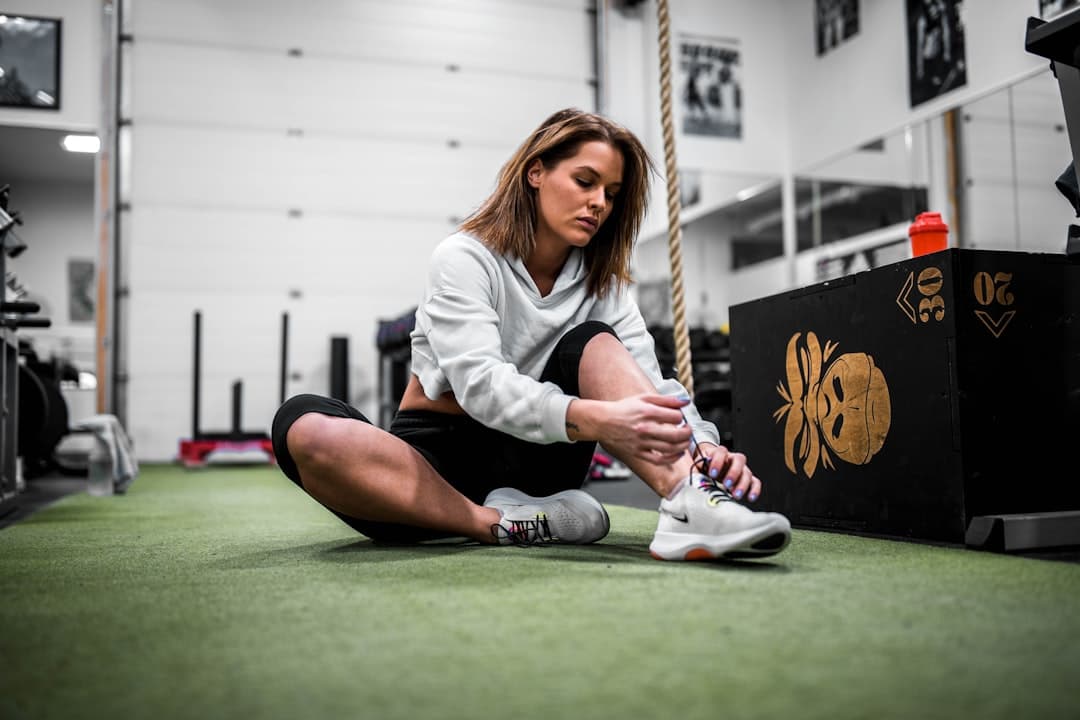
KPV is one of the more interesting peptides quietly working its way into the strength community's recovery toolkit. It isn't an anabolic, it doesn't pulse growth hormone, and it doesn't repair tendons through angiogenesis. What it does is turn down a specific set of inflammatory pathways — the ones driven by NF-κB and the inflammatory cytokines TNF-α, IL-6, and IL-1β — with a clean, well-characterized mechanism. For lifters dealing with chronic gut inflammation, persistent joint pain, or training-induced systemic inflammation, KPV occupies a real niche that BPC-157 and TB-500 don't quite cover.
What KPV actually is
KPV stands for the three-amino-acid sequence lysine-proline-valine (Lys-Pro-Val). It's the C-terminal tripeptide of alpha-melanocyte-stimulating hormone (alpha-MSH) — the same molecule that drives melanin production but, importantly, also has potent anti-inflammatory effects through pathways unrelated to pigmentation.
The interesting thing about KPV is that the parent molecule, alpha-MSH, has been studied for decades for its anti-inflammatory activity. Researchers eventually narrowed down which fragment of the molecule carried the anti-inflammatory effect without the pigmentation activity. That fragment is KPV. It is essentially the "anti-inflammatory functional core" of alpha-MSH, isolated and used on its own.
Mechanistically, KPV works through several pathways:
- NF-κB inhibition — the master regulator of inflammatory gene expression
- Reduced TNF-α, IL-6, IL-1β release — the standard inflammatory cytokine triad
- Direct anti-microbial effects at higher concentrations
- Mucosal healing in gut tissue — particularly in models of inflammatory bowel disease
This is a different mechanism profile from BPC-157 (which works through angiogenesis and growth-factor recruitment) and TB-500 (which works through actin reorganization and stem-cell migration). The three peptides are complementary, not redundant.
Where KPV is studied
The peer-reviewed evidence base for KPV is mostly preclinical, but more substantive than for many peptides in the strength-community shelf. Key research areas:
- Inflammatory bowel disease models (rodent colitis studies, in vitro intestinal epithelial work) — consistent reduction in inflammatory markers and improved mucosal healing
- Skin inflammation models — atopic dermatitis, psoriasis-like conditions; topical and oral KPV have shown anti-inflammatory effects
- Arthritis models — limited but supportive
- Sepsis and systemic inflammation models — preliminary positive data
What's missing: large randomized controlled trials in any of these indications. The peptide is in a similar evidence band as BPC-157 — strong mechanism, supportive preclinical data, thin human RCT evidence — but with a more focused inflammatory mechanism and a much shorter molecule that's easier to manufacture and verify.
Where KPV fits for lifters
The cases where KPV earns a spot in a strength-recovery protocol:
Chronic gut inflammation that's affecting training. The strongest research evidence for KPV is in IBD and intestinal inflammation models. For lifters with low-grade gut symptoms — recurrent bloating, food sensitivities, mild IBS-like patterns — KPV is the most evidence-supported peptide tool that targets the specific mechanism. Oral KPV is the route most aligned with the IBD literature.
Joint and tendon inflammation that hasn't responded to BPC-157 alone. BPC-157 drives repair through tissue remodeling and angiogenesis. KPV addresses the inflammatory environment around the repair. For chronic tendinopathy or post-injury joint stiffness where the inflammation seems to be the limiting factor — not the structural damage — KPV layered onto a BPC-157 protocol can be a useful addition. See BPC-157 most studied recovery peptide for the BPC-157 mechanism context.
Skin inflammation alongside training. Lifters dealing with eczema, psoriasis, or other inflammatory skin conditions have an additional KPV use case via topical formulations. This sits at the edge of "strength peptide" but is a legitimate use of the molecule.
Post-illness recovery cycles. A few users run short KPV cycles after viral or bacterial illness to dampen residual systemic inflammation that's limiting training intensity. The evidence base for this specific use is mostly mechanistic.
Where KPV does not fit:
- As a primary recovery peptide for acute injury — BPC-157 and/or TB-500 are the right starting tools
- As an anabolic or hypertrophy aid — KPV does not affect protein synthesis, GH, or IGF-1
- As a replacement for clinical anti-inflammatory care in serious gut or joint disease
How users typically dose KPV
Common protocols across community use:
| Use case | Route | Typical dose | Cadence |
|---|---|---|---|
| Gut inflammation | Oral (capsule or solution) | 250–500 mcg | 1–2× daily |
| Systemic / joint | SubQ injection | 200–500 mcg | Daily |
| Skin (atopic, psoriasis) | Topical (cream or solution) | 0.5–1% | 1–2× daily |
| Stack with BPC-157 | SubQ near affected tissue | 200 mcg | Daily, paired |
Cycle length is typically 4–8 weeks. KPV does not appear to produce notable receptor desensitization at standard doses, but the peptide-community baseline is to cycle anything continuously dosed.
A note on the oral route: KPV is one of the few peptides where oral administration is supported by the research, because the gut inflammation literature uses oral formulations directly. Most strength peptides cannot be effectively dosed orally because peptide bonds break down in the gut. KPV is short enough (3 amino acids) and stable enough in the GI tract that meaningful intact peptide reaches the relevant tissues. This is a real distinction.
Stacking with BPC-157 and TB-500
The combined recovery protocol that's gaining traction in the lifter community:
- BPC-157 — local angiogenesis and growth-factor recruitment at the injury site
- TB-500 — systemic actin reorganization and stem-cell migration
- KPV — anti-inflammatory environment, particularly in gut and skin compartments
The mechanisms are complementary and there is no documented adverse interaction. The cost-benefit case is reasonable for users with multiple recovery goals, particularly if gut inflammation is one of them.
For users without gut symptoms and without chronic systemic inflammation, KPV's marginal benefit on top of BPC-157 + TB-500 is harder to justify financially. Recovery peptide protocols can compound costs quickly, and adding a third peptide should be tied to a specific reason.
Side effects and what to watch
KPV is unusually well-tolerated across community use. The most reported issues:
- Mild GI upset on first oral doses (usually resolves within a week)
- Occasional injection-site irritation with subQ administration
- No reliable signal for hormonal effects, lipid changes, or fatigue patterns
- No documented receptor desensitization at standard doses
The cleanest side-effect profile of any peptide in regular community use is probably KPV. That's partly because the molecule is small and simple, partly because the mechanism (NF-κB modulation) doesn't push major downstream hormonal axes, and partly because the typical dose ranges are conservative.
The honest caveat: long-term safety data above 12 weeks of continuous use is essentially absent. Same disclaimer that applies to most non-FDA-approved peptides.
Sourcing and verification
KPV is a 3-amino-acid peptide, which makes it one of the easier compounds to manufacture cleanly. Verification requirements:
- Third-party Certificate of Analysis on the specific lot
- HPLC purity report (the standard ≥95% is achievable for KPV)
- Mass spec confirmation of the correct molecular weight
Vendors selling KPV alongside BPC-157 and TB-500 with current COAs are the safest sourcing path. See vendor due diligence checklist and is your peptide vendor legit. The simpler the molecule, the harder it is to fake convincingly — and the more inexcusable it is for a vendor not to provide a COA.
What to actually do
If you're considering KPV, the practical entry path:
- Identify the inflammation target — gut symptoms, joint inflammation, skin issues, or general post-illness recovery. KPV without a target is hard to evaluate.
- Pick the right route — oral for gut, subQ for joint or systemic, topical for skin. Don't mix routes in a first cycle.
- Start with a short protocol — 4 weeks at a conservative dose. Evaluate symptom changes against a baseline you can measure (gut symptoms scored daily, joint pain on a 1–10 scale).
- Layer with BPC-157 only if there's a structural-repair component — pure inflammation without tissue damage doesn't need BPC-157.
- Pull baseline labs — CBC, CMP, inflammatory markers (CRP, ESR) if available. KPV's mechanism predicts measurable CRP reduction in users with elevated baselines.
For most lifters, KPV is not the first peptide you reach for — but for the specific cases where chronic inflammation is the bottleneck on training, recovery, or daily comfort, it is one of the better-evidenced and cleaner tools the strength-peptide market has to offer.
Related reading
Free weekly newsletter
Get the strength peptide highlights, weekly.
One short email a week — new guides, study readouts, supply updates, and dosing tips. Plain-English, no spam.
Unsubscribe anytime. We never share your email.