CJC-1295 vs Sermorelin: which GHRH analog actually wins
CJC-1295 and Sermorelin are both GHRH analogs but behave very differently. Here's the half-life, dosing, side effect, and goal-fit comparison.
May 26, 2026 · 6 min read · By Strength Peptide Editors
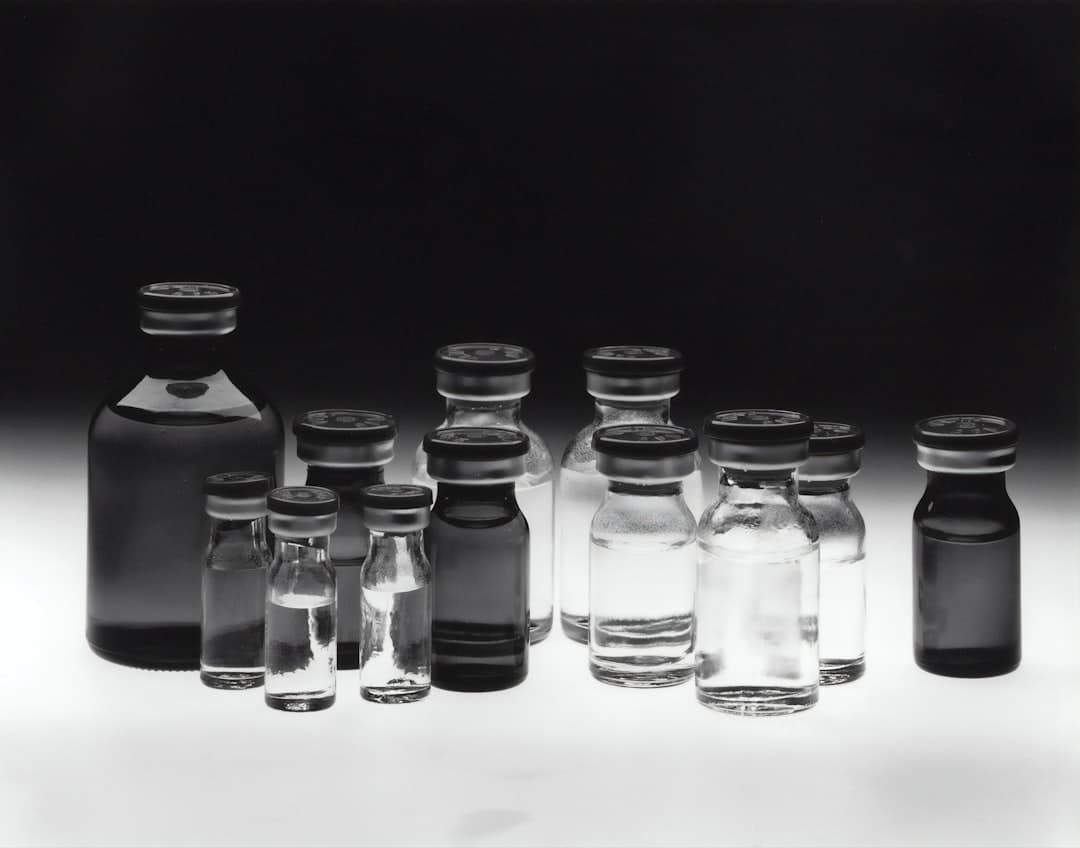
Once you decide you want a GH secretagogue, the first real choice usually comes down to two candidates: CJC-1295 and Sermorelin. They sound interchangeable in vendor copy — both are GHRH analogs, both stimulate endogenous GH release, both are dosed subcutaneously. They are not interchangeable. They have different half-lives, different dosing logic, different side-effect profiles, and they fit different goals.
This post is the comparison most users actually need before they commit to a stack. The short answer: Sermorelin is the cleaner, more conservative choice; CJC-1295 (especially the DAC version) is the more aggressive, longer-acting choice; and the right pick depends on what you're optimizing for and how much variability you're willing to tolerate.
What each molecule actually is
Sermorelin is the first 29 amino acids of natural human growth hormone-releasing hormone (GHRH 1-29). Native GHRH is 44 amino acids, but the receptor-binding activity is concentrated in the first 29 residues. Sermorelin reproduces that biological activity in a shorter, easier-to-manufacture form. Its half-life is short — roughly 10–20 minutes in circulation — which mimics the pulsatile pattern of natural GHRH release.
CJC-1295 is a modified GHRH 1-29 with substitutions designed to extend its half-life. There are two distinct forms:
- CJC-1295 with DAC (Drug Affinity Complex): includes a maleimidopropionic acid (MPA) modification that allows it to bind covalently to albumin in the bloodstream. This dramatically extends the half-life to roughly 6–8 days.
- CJC-1295 without DAC (also called Mod GRF 1-29): the same modified GHRH 1-29 without the albumin-binding component. Half-life is ~30 minutes — longer than Sermorelin but still effectively pulsatile.
The distinction between DAC and no-DAC versions is the most important factor in this comparison and is often glossed over in vendor materials. For deeper context see CJC-1295 DAC vs no-DAC.
Side-by-side comparison
| Feature | Sermorelin | CJC-1295 no-DAC | CJC-1295 with DAC |
|---|---|---|---|
| Sequence | GHRH 1-29 | Modified GHRH 1-29 | Modified GHRH 1-29 + MPA-DAC |
| Half-life | 10–20 min | ~30 min | 6–8 days |
| GH release pattern | Pulsatile, brief | Pulsatile, slightly longer | Sustained elevation |
| Dosing frequency | Daily, often 1× or 2× | Daily, often 1× | 1–2× per week |
| Typical dose | 200–500 mcg | 100–200 mcg | 1000–2000 mcg (1–2 mg) |
| Best paired with | Ipamorelin or other GHRP | Ipamorelin | Ipamorelin |
| IGF-1 elevation | Modest, transient | Modest, transient | Sustained, more pronounced |
| Water retention | Minimal | Minimal | Possible — more pronounced |
| Suitable for first-cycle user | Yes | Yes | Less so |
| Cost (community price) | Moderate | Lower | Comparable, less frequent dosing |
| FDA approval history | Yes (FDA-approved for pediatric GHD until 2008) | No | No |
Why half-life actually matters
This is the part most users underweight. GH release in healthy young adults is pulsatile — the pituitary releases GH in bursts, primarily during sleep and after exercise, with low baseline levels between pulses. This pulsatile pattern is biologically important. It allows GH receptors to reset between pulses, maintains feedback sensitivity, and prevents downregulation.
Sermorelin and CJC-1295 no-DAC produce GH pulses that look like natural pulses — short, sharp, and gone within an hour or two. The pituitary's secretory machinery and the downstream IGF-1 production work in their normal pattern. This is why these are sometimes called "physiologic" GH secretagogues.
CJC-1295 with DAC produces a sustained elevation of GH and IGF-1 that looks much less like natural release and more like continuous infusion. This produces stronger anabolic and lipolytic effects, but at the cost of moving further from the physiologic pattern, with more potential for downregulation, more water retention, and more sustained elevation of biomarkers.
For practical users, this translates to:
- Sermorelin and no-DAC CJC-1295 — closer to "natural amplification" of your own GH pattern
- DAC CJC-1295 — more like a partial GH replacement therapy in effect
Pick the model that matches your goals.
For broader context see GH stack: Ipamorelin and CJC-1295 and best injection timing.
Goal-fit decision matrix
| Goal | Best choice | Why |
|---|---|---|
| Sleep quality improvement | Sermorelin (PM dose) | Mimics natural pulse; supports SWS |
| Conservative anti-aging | Sermorelin | Most physiologic; cleanest side effects |
| Lean recomp, conservative | Sermorelin or CJC no-DAC | Better water/IGF-1 control |
| Lean bulk, more aggressive | CJC no-DAC + Ipamorelin | Stronger pulse stack |
| Athletic recovery focused | CJC no-DAC + Ipamorelin | More pulse amplitude, still physiologic |
| Tesamorelin-like visceral fat goal | Tesamorelin (better evidence) | Different mechanism — not these |
| Long-cycle, convenience-focused | CJC with DAC | Twice-weekly dosing |
| First peptide cycle ever | Sermorelin | Lowest-risk learning curve |
| Cost optimization | CJC no-DAC | Lowest per-pulse cost |
For the broader stacking question see building your first peptide protocol and GH peptides in your 30s.
Side-effect profile differences
The side-effect profiles track the half-life logic.
Sermorelin (most physiologic) tends to produce:
- Mild injection-site reactions
- Occasional flushing immediately post-injection
- Vivid dreams or sleep changes (often welcomed)
- Minimal water retention
- Modest IGF-1 elevation, usually within normal range
CJC-1295 no-DAC is similar to Sermorelin with slightly more pronounced effects in each category.
CJC-1295 with DAC has a meaningfully different profile:
- More pronounced water retention (especially first 2–3 weeks)
- Joint aches more common (see joints ache on a GH cycle)
- Sustained IGF-1 elevation, sometimes outside normal range at higher doses
- Numbness/tingling (carpal tunnel-like) more reported
- Insulin sensitivity drift over longer cycles
For the broader side-effect frame see GH secretagogue side effects.
Sourcing considerations
A few practical notes:
- Sermorelin is one of the more commonly compounded GH peptides at 503A pharmacies, where prescription-route sourcing is straightforward
- CJC-1295 (especially no-DAC) is widely available research-chemical; the DAC version is less commonly compounded
- Verify which CJC-1295 you're buying. Many vendors label simply "CJC-1295" without specifying DAC vs no-DAC. The molecular weight and price are different — DAC versions cost more and have different storage requirements
- Storage: all three are stable lyophilized; once reconstituted, refrigerate and use within 30 days
For compounding vs research-chemical considerations see compounding pharmacy vs research-chemical peptides and vendor due diligence checklist.
The honest framing
If someone forced a one-word answer to "Sermorelin or CJC-1295?":
- For most first-time users and conservative protocols: Sermorelin
- For experienced users wanting more pulse amplitude in a stack: CJC-1295 no-DAC + Ipamorelin
- For users prioritizing convenience and accepting the tradeoffs: CJC-1295 with DAC + Ipamorelin
The wrong frame is "which is stronger" — they're different drugs with different mechanisms of action despite both being GHRH analogs. The right frame is matching the half-life and dosing pattern to what you're actually trying to achieve. Sermorelin's "weakness" is often the feature: it doesn't push too far past your natural rhythm.
Avoid the common mistake of starting with DAC CJC-1295 because it dosed less often. Convenience is real, but the sustained elevation pattern is less forgiving than the pulsatile alternatives if anything goes sideways with your response.
Related reading
Free weekly newsletter
Get the strength peptide highlights, weekly.
One short email a week — new guides, study readouts, supply updates, and dosing tips. Plain-English, no spam.
Unsubscribe anytime. We never share your email.